
Women's Mental Health Specialties — ADHD, Mood Disorders, PMDD, and Reproductive Psychiatry in Campbell, CA
Beyond the Diagnosis: Integrated Psychiatric Care for Women
You’ve spent months trying to push through the fatigue, mood swings, irritability, & sleepless nights. You’re doing your best — but you’re exhausted.
Maybe you’ve seen other doctors and left feeling dismissed, rushed, or reduced to a checklist of symptoms. That fog hasn’t lifted — it’s only gotten heavier.
Here’s what’s often missing: ADHD in women rarely shows up alone. It travels with depression, anxiety, OCD, hormonal shifts, and chronic medical conditions. When only one piece gets treated the rest stays stuck…
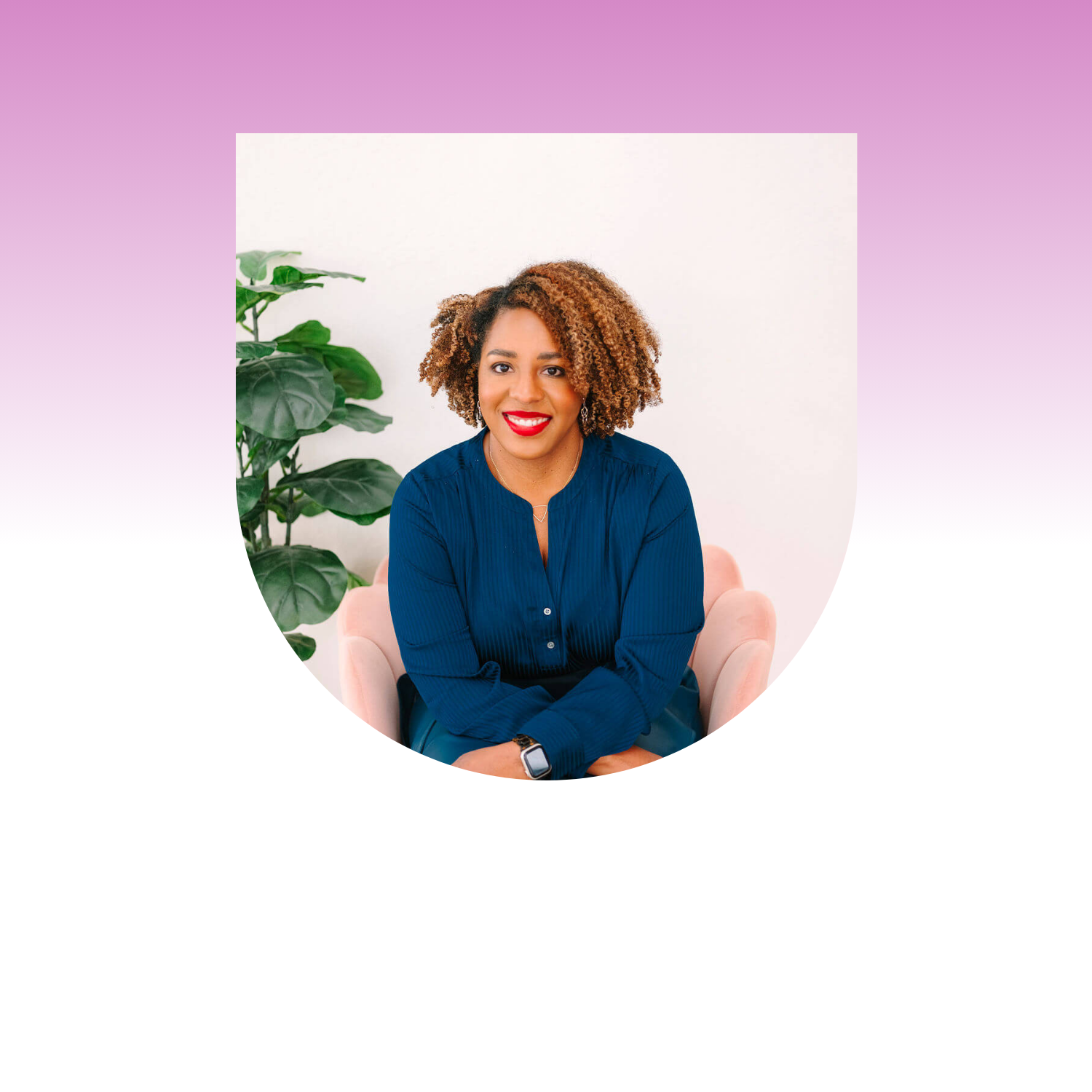
As a women’s psychiatrist, I make space for your whole story. Here, you will get more than a diagnosis. You get a plan that actually fits.
How I Support You
My approach to psychiatric care for women goes beyond symptom checklists. Every evaluation and treatment plan is built around your real life and not just your diagnosis.
Comprehensive psychiatric evaluation of mood, medical history, and lifestyle factors.
Integrated treatment planning that incorporates medication management, therapy, and coordination with your healthcare team.
Culturally responsive reproductive psychiatric care that takes your lived experience seriously.
Experience with ADHD diagnosis and treatment, PMDD, Perimenopause mood changes, and co-occurring mood disorders.
Wondering If It’s ADHD…
Or Something Else Entirely?
Maybe you took an online quiz and it hit close to home. Maybe you watched a video on TikTok or Instagram that described you perfectly.
Or maybe you’ve just known for years that something is different about how your brain works, and you’re finally ready to find out what.
You don’t need a diagnosis going in. You need someone who can help you figure it out.
The truth is, many symptoms that look like ADHD — difficulty focusing, overwhelm, irritability, procrastination, exhaustion — can also be signs of anxiety, depression, OCD, Bipolar Disorder, PMDD, or Trauma. Sometimes it's ADHD. Sometimes it's something else. Often it's both.
I work with women who are:
Questioning whether they have ADHD after years of struggling quietly.
Managing ADHD alongside anxiety, depression, or other mental health conditions.
Navigating major life transitions, career pressure, or caregiver burnout.
Grieving the loss of a loved one or meaningful relationship.
Wondering if PMDD or perimenopause is the cause of anxiety or depression.
Women-Focused Psychiatry
ADHD in Women
Evaluation, diagnosis & whole-person treatment
For the woman who has always felt like she was working twice as hard to keep up — and never quite understood why.
You may have spent years being told you were smart but scattered, sensitive but difficult, capable but inconsistent. You may have managed well enough until life got more complex — a new job, a relationship, motherhood, a loss — and suddenly the strategies that used to work stopped working.
Or maybe you just saw something online that finally put words to an experience you've had your whole life.
Either way, you deserve a real evaluation — not a checklist, not a quick prescription, but a comprehensive look at what's actually going on.
What I Offer:
- Comprehensive ADHD evaluation, including when anxiety, depression, or mood disorders complicate the picture
- Medication evaluation and management tailored to your biology and life stage
- Therapeutic support for the emotional weight of late diagnosis — grief, self-blame, and rewriting your story
- Practical strategies for executive function that work with your brain, not against it
- Coordination with your therapist or healthcare team
Perimenopause & Mood
Psychiatric care for hormonal mood transitions
When your mental health shifts and no one can explain why — it might be the transition, not you.
Perimenopause doesn't announce itself cleanly. For many women it arrives as worsening anxiety, new depression, disrupted sleep, brain fog, or ADHD symptoms that suddenly feel unmanageable. If you've noticed your mood or mental health changing and your doctor keeps telling you everything looks fine — this is worth exploring further.
As a reproductive psychiatrist I focus on the mental health side of this transition: evaluating what's driving your symptoms, distinguishing between hormonal mood changes and underlying psychiatric conditions, and building a treatment plan that addresses both.
What I Offer:
- Psychiatric evaluation of mood changes during perimenopause and menopause
- Treatment for perimenopausal depression and anxiety
- PMDD diagnosis and psychiatric management
- Support for cognitive changes and sleep disruption
- Coordination with your OB/GYN or primary care provider
Mood & Anxiety Disorders
Integrated psychiatric care for depression, anxiety & more
Sometimes the diagnosis is clear. Sometimes it takes longer to name. Either way, you don't have to keep managing it alone.
Depression, anxiety, OCD, panic — these conditions are common, but that doesn't make them simple. They show up differently in women, often tangled with hormonal cycles, life roles, and years of being told to push through. Treatment that doesn't account for that complexity often falls short — especially when it comes to managing psychiatric medication during pregnancy.
My approach combines psychiatric evaluation, medication management when appropriate, and therapy — with attention to the full context of your life.
What I Offer:
- Diagnosis and treatment of depression, including major depressive disorder and bipolar disorder
- Anxiety disorders including generalized anxiety, panic disorder, social anxiety, and OCD
- Combined therapy and medication management
- Lifestyle psychiatry approaches alongside clinical treatment
- Care that addresses the roots, not just the symptoms
Why Women Choose Bloom & Build
Women come to me when they're tired of being rushed, dismissed, or handed a prescription without a real conversation. They want a psychiatrist who understands how ADHD, mood disorders, PMDD, perimenopause, and life transitions intersect — and who brings both clinical expertise and genuine care to that work.
If you've been told your symptoms don't quite fit, or you've felt like too much for other providers, you may find that this is exactly the right place.
Serving women in Campbell, San Jose, and throughout California via telehealth.
Frequently Asked Questions
ADHD is treated with two main categories of medication: stimulants and non-stimulants. Stimulant medications are generally considered first-line treatment and are highly effective for many women. Non-stimulant options are also available and may be a better fit depending on your health history, other medications, or personal preferences.
Medication decisions at Bloom & Build are always made after a comprehensive psychiatric evaluation that considers your full history, your life stage, and your goals — not just your symptoms. The right choice is never one-size-fits-all.
You don't have to commit to medication to work with Dr. Greenlee. Many women come in uncertain, and that's a completely reasonable place to start.
During your evaluation we'll discuss the evidence-based treatment options for your specific concerns, what the research says, and what my clinical recommendations are based on your history. From there the decision is yours. My role is to make sure you have the information you need to choose what's right for you.
Yes — both options are available. In-person appointments are held at 307 Orchard City Drive, Suite 310 in Campbell, California, conveniently located for women in San Jose, Los Gatos, Saratoga, Santa Clara, and the broader South Bay Area.
Telehealth appointments are available to women throughout California, making it easy to access specialized psychiatric care for ADHD, mood disorders, and reproductive mental health from anywhere in the state.
Absolutely — and it's often the most effective approach. Psychiatry and therapy work best together, and I actively collaborate with therapists when patients are working with both.
With your permission I can communicate directly with your therapist to make sure your care is coordinated and consistent. You don't have to choose between us.
When space is available, Dr. Greenlee also offers combined treatment — working with patients on both medication management and therapy within the same care relationship. This is a good fit for women who prefer an integrated approach with one provider.
ADHD in women is frequently underdiagnosed because it often looks different than the classic presentation most people recognize. Women are more likely to show inattentive symptoms — difficulty focusing, disorganization, emotional dysregulation — rather than the hyperactivity more commonly seen in men and boys.
Many women with ADHD also develop strong masking strategies over time, appearing to manage well on the outside while struggling significantly on the inside. ADHD in women also interacts with hormonal changes across the lifespan — including the menstrual cycle, pregnancy, postpartum, and perimenopause — which can significantly affect symptom severity. This is why a thorough, gender-informed evaluation matters.
PMDD, or premenstrual dysphoric disorder, is a condition characterized by significant mood changes — depression, anxiety, irritability, or emotional dysregulation — that occur in the luteal phase of the menstrual cycle and resolve after menstruation begins. It is more severe than PMS and can seriously affect daily functioning and relationships.
As a PMDD psychiatrist, my approach involves a careful evaluation to distinguish PMDD from other mood disorders, track symptom patterns, and develop a treatment plan that may include medication, lifestyle interventions, and therapeutic support.
Medication is one tool — but it works best alongside other approaches. Several evidence-based therapies have strong support for treating ADHD in women.
Cognitive Behavioral Therapy (CBT) adapted for ADHD helps with time management, organization, follow-through, and the negative thought patterns that often develop after years of struggling undiagnosed. It's one of the most well-researched non-medication treatments for adult ADHD.
Therapies focused on emotional awareness — such as mindfulness-based approaches and dialectical behavior therapy (DBT) skills — can be especially helpful for women with ADHD who struggle with emotional dysregulation, rejection sensitivity, and stress tolerance. Building emotional capacity is often just as important as managing attention and focus.
At Bloom & Build, treatment planning considers the full picture. Depending on your needs, I may recommend working with a therapist who specializes in ADHD alongside our psychiatric care.
Bloom & Build is an out-of-network provider. You pay directly for services and receive a detailed superbill to submit to your insurance for potential reimbursement, depending on your out-of-network benefits.
Many women find that the level of personalized, unhurried care they receive is worth the investment — and reimbursement through PPO plans can offset a significant portion of the cost. Contact your insurance provider to ask about your out-of-network mental health benefits before your first appointment.