


Hormones & Mood
PMDD. Perinatal. Perimenopause
What you've noticed
Reproductive Hormones & Your Mental Health
You may have noticed changes in your mood, sleep, patience, or sense of self that follow a pattern. It may have started in your teens with the week before your period. It may have emerged after pregnancy. It may have developed in your forties and left you wondering if you are becoming a different person.
You may have been told this is normal.
That you are stressed.
That hormones affect women this way…
Phase 01
The Menstrual Cycle
PMDD · the week or two before your period
For some women, the days or weeks before a period bring more than discomfort. They involve significant shifts in mood, irritability, anxiety, or a sense of not feeling like yourself. PMDD is a recognized diagnosis with specific treatment options and is distinct from typical PMS in both severity and impact.
Phase 02
The perinatal period
Pregnancy · postpartum · the year after
Depression, anxiety, intrusive thoughts, and sleep disruption can begin in the weeks after delivery or emerge months later. Some women experience symptoms with one pregnancy and not another. This period can also unmask underlying mood conditions or ADHD that had previously been manageable.
Phase 03
Perimenopause & Menopause
The transition years before menopause & After
The years leading up to menopause can involve mood changes, new or worsening anxiety, sleep disruption, and cognitive symptoms that feel unfamiliar. ADHD that was previously well-managed may become harder to manage. These changes are often missed or misattributed because hormonal patterns are irregular and symptoms overlap with depression, anxiety, and ADHD.
What these transitions share is that they are real, they are treatable, and they deserve thoughtful clinical attention.
My approach is to evaluate what is contributing to your symptoms, distinguish hormonal influences from underlying psychiatric conditions, and build a treatment plan that addresses both. When hormonal treatment is part of your care, I coordinate with your OB/GYN or primary care provider so that your care is aligned.
If you have been told your symptoms are normal but something in you says otherwise, the next step is a free 15-minute screening call.
Book a 15-minute screening callMeet your reproductive psychiatrist
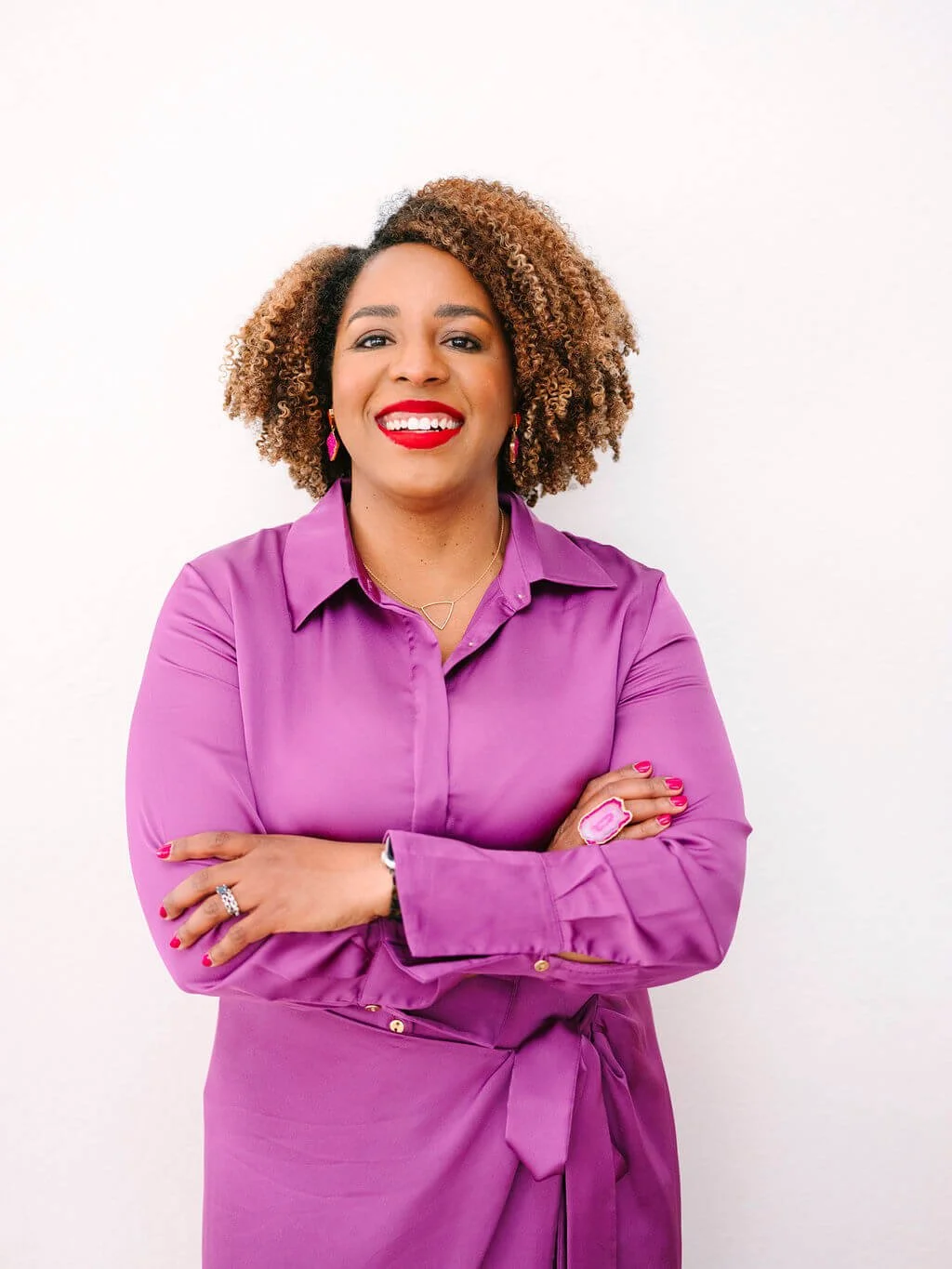
Hello — I'm Alecia.
Dr. Alecia Greenlee, MD, MPH
I am a double board-certified psychiatrist in Adult and Consultation-Liaison Psychiatry, with advanced fellowship training in reproductive integrative psychiatry. My focus on women's mental health is not incidental — it is the work I have built my career around.
What I bring to this practice is the rigor of academic medicine, the integrative tools I have collected along the way, and a deep belief that women deserve to be listened to closely — and treated with the depth their lives require.
Training
Where I learned to do this work
-
Sacramento State University
BA in Biology, with Honors
-
UCSF School of Medicine (PRIME-US) & UC Berkeley
MD / MPH
-
Harvard Medical School / Cambridge Health Alliance
Adult Psychiatry Residency
-
University of Chicago
Consultation-Liaison Psychiatry & Medical Ethics Fellowship
-
Reproductive Integrative Psychiatry
Fellowship
-
Couples & Family Systems Therapy
Advanced Training
Recent conversations & writing
Where I've been talking about this work
A growing body of conversation around women, ADHD, and the role hormones play across the lifespan. A few recent appearances and a place to read more.
Read the blog: Hormones & Mental Health
Long-form writing on PMDD, perinatal mood, perimenopause, and the questions that come up between visits.
Frequently Asked Questions
-
A reproductive psychiatrist is a physician who has completed psychiatry residency plus additional specialized training focused on women's mental health across the reproductive lifespan. This includes expertise in how hormonal changes during menstruation, pregnancy, postpartum, and perimenopause affect mood, anxiety, cognition, and existing psychiatric conditions and how to safely manage psychiatric medication during pregnancy and breastfeeding.
-
A reproductive psychiatrist can be a helpful addition to your care team at specific moments. You might benefit from seeing one if your mood or anxiety symptoms seem connected to your menstrual cycle, a pregnancy, the postpartum period, or perimenopause — and haven't fully responded to treatment in a primary care, general psychiatry, or OB-GYN setting. It's also worth considering a one-time consultation with a reproductive psychiatrist if you have a chronic psychiatric condition that requires medication management during pregnancy or breastfeeding and may be associated with safety concerns. A reproductive psychiatrist can sometimes provide you with alternative options or collaborate with your OB-GYN to make sure your treatment plan is both safe and effective. And some women simply prefer to work with a reproductive psychiatrist long-term, knowing they'll have a provider who recognizes how your changing body and hormonal landscape may or may not be impacting your mental health. Please head over to Services and fees page for more information regarding which service might be best for you.
-
PMS refers to the cluster of physical and emotional symptoms many women experience in the days before their period. These can be uncomfortable but generally do not significantly disrupt daily life. PMDD is a recognized psychiatric diagnosis that goes well beyond this. Women with PMDD experience profound shifts in mood, irritability, anxiety, hopelessness, or a sense of not feeling like themselves in the week or two before their period, with symptoms that interfere with relationships, work, parenting, and self-perception. The pattern is consistent and tied to the luteal phase of the menstrual cycle. PMDD has specific treatment options that differ from how PMS is typically managed. Some women who have a mood disorder may also have premenstrual mood exacerbations in the 1-2 weeks leading up to their menses.
-
Yes. The years leading up to and following menopause are a period of significant hormonal change, and for many women these changes affect mood, sleep, anxiety, and cognition in ways they have not experienced before. Some women develop a first episode of depression or anxiety in their forties or fifties. Others experience the return of symptoms that had been quiet for years. Cognitive symptoms like brain fog or word-finding difficulty can also emerge and feel unsettling. These changes are real and treatable, but they are often missed or attributed to stress, aging, or being a busy woman with a full life. Part of my work is to take these symptoms seriously, evaluate what is contributing, and develop a plan that addresses both the hormonal and the psychiatric dimensions of what you are experiencing. Check out the Blog for more insights.
-
Not necessarily, and this is one of the most important questions to bring to a reproductive psychiatrist rather than navigate alone or based on a quick conversation with a provider who does not specialize in this area. Untreated depression, anxiety, or other psychiatric conditions during pregnancy and postpartum carry their own significant risks, both for the mother and for the developing baby. The decision is rarely as simple as whether to take a medication or not. It involves weighing the specific medication, the dose, your psychiatric history, the stage of pregnancy or breastfeeding, and what is most likely to keep both you and your baby well. My role is to walk through this carefully with you, share what the evidence actually shows, and partner with your OB-GYN so that the decision is informed and aligned across your care team. There are free resources such as Mother To Baby or head over to the blog for more discussion.
-
This is one of the most common situations I encounter, and it is a thoughtful place to be approaching this work from. Many of the women I see come in wanting to use medication only if truly necessary, often during pregnancy or postpartum, sometimes during perimenopause, and frequently because family or community have framed what they are experiencing as the normal stress of motherhood or midlife. My approach is to take that preference seriously while also being honest about what your symptoms are telling us. Sometimes the most natural and protective choice for both you and your family is treatment, including medication. Sometimes there are integrative approaches that fit your situation well. What I will not do is dismiss what you are experiencing, and what I will do is help you make a decision that reflects both the evidence and what matters to you.